
InfraMIND-Dengue: Infrastructure for Modeling Infectious Diseases
About InfraMIND-Dengue (Infrastructure for Modeling Infectious Diseases) is a project aimed at understanding dengue spread and studying interventions to reduce its burden through a framework of computational models. It integrates data from multiple sources, including epidemiological, entomological, and environmental data, which are used to calibrate a family of mechanistic and statistical models with different levels of complexity, allowing us to reproduce real world scenarios at multiple time spans (from weeks to years) and address specific questions with the appropriate level of detail.
May 1, 2026

Evaluating Field Trial Designs for Genetically Modified Mosquito Interventions: An In-Silico Simulation Approach
Simulation of GM mosquito field trials with an agent-based model.
Nov 1, 2025
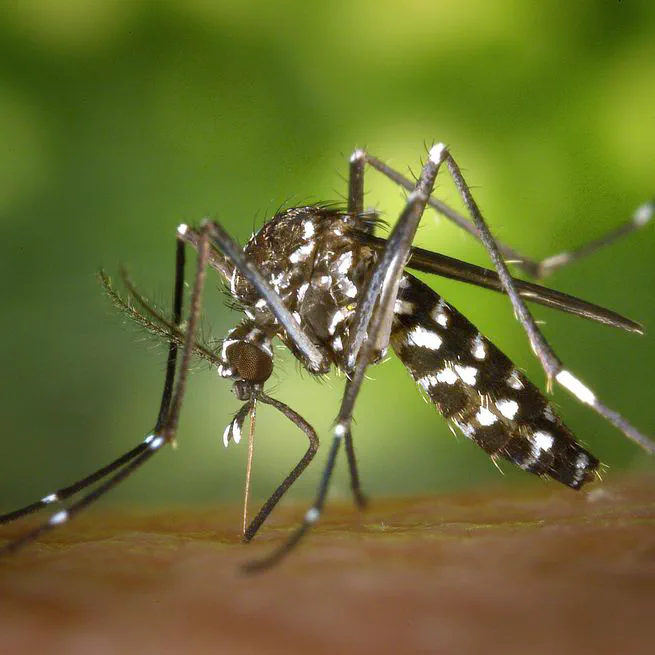
Forecasting relative abundance of mosquitoes in urban areas
Rationale We developed an analytical tool to forecast the relative abundance of mosquito species in urban areas. I was the lead developer and first author in the first version of this project.
Jan 1, 2025
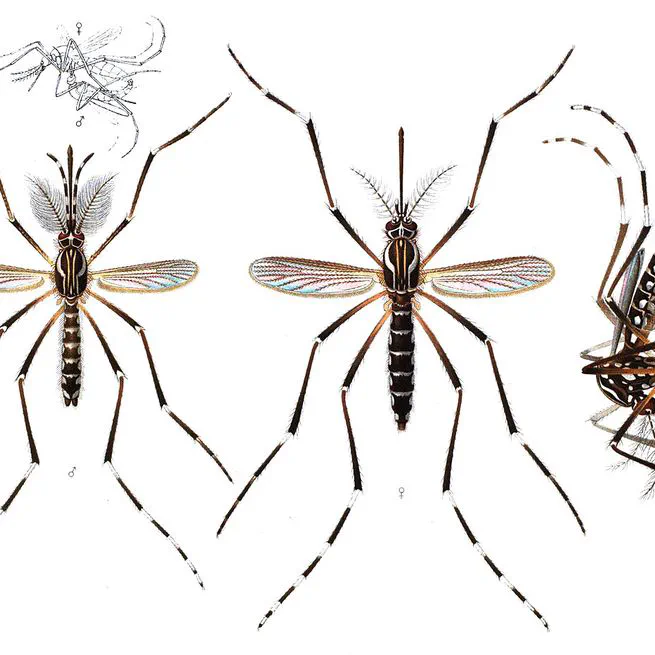
Forecasting the Relative Abundance of Aedes Vector Populations to Enhance Situational Awareness for Mosquito Control Operations
An analytical tool to forecast the abundance of *Ae. aegypti* mosquitoes in urban areas.
Nov 25, 2024

Unveiling the Role of Mosquito and Human Diel Activity Patterns in the Risk of Mosquito-Borne Disease Infection
We quantified diel variations in the exposure of humans to mosquito bites, including differences between human population groups.
May 31, 2024